The Ultimate Guide to Cold Plunges: Benefits, Science, and How to Get Started
Cold plunges have quickly evolved from a niche athletic recovery practice into a mainstream wellness strategy adopted by high-performance individuals, fitness communities, and health-focused households. As interest in natural recovery modalities grows, cold water immersion has emerged as a key differentiator for consumers seeking improved physical performance, mental clarity, and resilience. At Lindaoyi, we focus on combining proven cold-therapy science with practical, durable product solutions for home and commercial use. This guide provides a strategic understanding of how cold plunges work, why they matter, and how to get started safely.
What Is a Cold Plunge?
A cold plunge, also known as Cold Water Immersion (CWI), involves submerging the body in water between 10–15°C (50–60°F) for a short duration. While athletes have used ice baths for decades to support recovery, the practice has gained broader adoption due to increased consumer interest in stress management, biohacking, and holistic wellness.
There are several types of cold-exposure methods:
Ice Baths: Traditional, direct, and highly effective.
Cold Plunge Tubs: Purpose-built systems with temperature control, now widely used at home.
Cold Showers: Accessible for beginners.
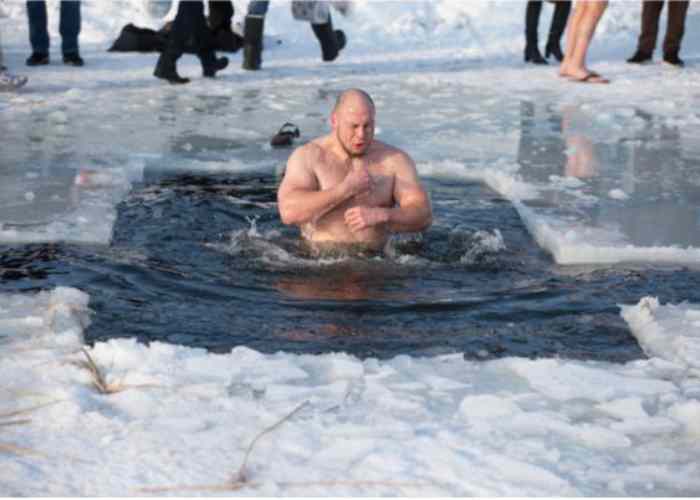
Open-Water Swimming: A natural option but requires higher safety awareness.
Cryotherapy: Air-based cooling, offering short, intense exposure.
Despite their differences, all methods trigger controlled cold stress, leading to measurable physical and psychological benefits.
Why Cold Plunges Are Growing in Popularity
Several macro-trends are driving global market growth:
Increased adoption of recovery and longevity routines
Rising wellness spending in both home and boutique fitness sectors
Social-driven challenges and community cold-plunge groups
More scientific literature validating long-term benefits
In the broader sauna and thermal-therapy category, cold plunge systems are currently among the fastest-growing products, especially for home integration.
Science-Backed Benefits of Cold Plunges
1. Elevated Mood and Stress Reduction
Cold exposure activates the sympathetic nervous system and leads to the release of noradrenaline, a neurotransmitter associated with improved focus and mood. Research shows even a single session of cold water immersion can significantly reduce feelings of tension, depression, and anger while boosting energy and clarity.
2. Endorphin Release
Cold water triggers the release of endorphins—natural chemicals that reduce discomfort and create a sense of well-being. Many users describe this effect as an uplifting “post-plunge high” that encourages consistent practice.
3. Cortisol Optimization
Studies indicate that while cortisol remains stable during the cold plunge, it drops significantly afterward, supporting long-term stress management. Regular users often report better emotional resilience and improved recovery cycles.
4. Reduced Inflammation and Faster Recovery
Cold plunges help minimize muscle soreness and inflammation after intense workouts, making them highly effective for athletes, weightlifters, runners, and individuals with physically demanding routines. This anti-inflammatory response enables faster recovery and more consistent training cycles.
5. Cognitive Performance and Brain Health
Cold exposure stimulates cold receptors in the skin, sending strong signals to the brain. These signals increase alertness, sharpen focus, and elevate energy levels. Emerging research shows that cold stress may increase production of RBM3 cold-shock proteins, which exhibit neuroprotective benefits in early studies.
Cold Plunge as a Mindfulness Practice
Beyond physical benefits, cold plunges strengthen mental discipline. The initial discomfort forces you to regulate your breathing, stay present, and embrace controlled stress. Over time, this builds a stronger tolerance for real-world challenges—an asset for high-responsibility individuals and performance-driven lifestyles.
Who Should and Should Not Try Cold Plunges
Cold plunging is suitable for:
Healthy individuals wanting better recovery and mental clarity
Athletes and fitness practitioners
High-pressure professionals seeking stress management
Users building a consistent wellness routine
Cold plunging is not recommended for:
Individuals with heart conditions or arrhythmias
Those with Raynaud’s disease
Pregnant individuals
Anyone with serious medical conditions without professional guidance
How to Start Cold Plunging Safely
To maximize benefits and minimize risk, follow a progressive approach:
Start at 18–20°C before advancing to lower temperatures.
Limit the first sessions to 1–2 minutes.
Focus on controlled, steady breathing throughout the immersion.
Stop immediately if you feel dizzy, numb, or unwell.
Warm up gradually afterward—avoid sudden exposure to hot water.
Prioritize temperature-controlled equipment for safety and consistency.
Consistency is the key driver of long-term results. For this reason, many users prefer structured systems like Lindaoyi Cold Plunge Tubs, which deliver stable performance in diverse environments.
Bringing Cold Therapy Into Everyday Life
You can integrate cold exposure into your routine through:
Cold shower finishers
Ice bath sessions at home
Professional cold plunge tubs
Brief cold-water face immersion to activate the vagus nerve
For long-term adherence and measurable results, a reliable cold plunge system provides greater control, hygiene, and convenience.
Why Choose Lindaoyi Cold Plunge Systems
Lindaoyi develops cold plunge products with a performance-first mindset. Our systems feature:
Precise temperature control
Durable, UV-resistant materials
Efficient filtration and circulation
Indoor/outdoor adaptability
Portable and fixed models
Full OEM/ODM capability for gyms, studios, and distributors
Our mission is to make professional-grade cold therapy accessible for homes, wellness centers, and performance environments worldwide.